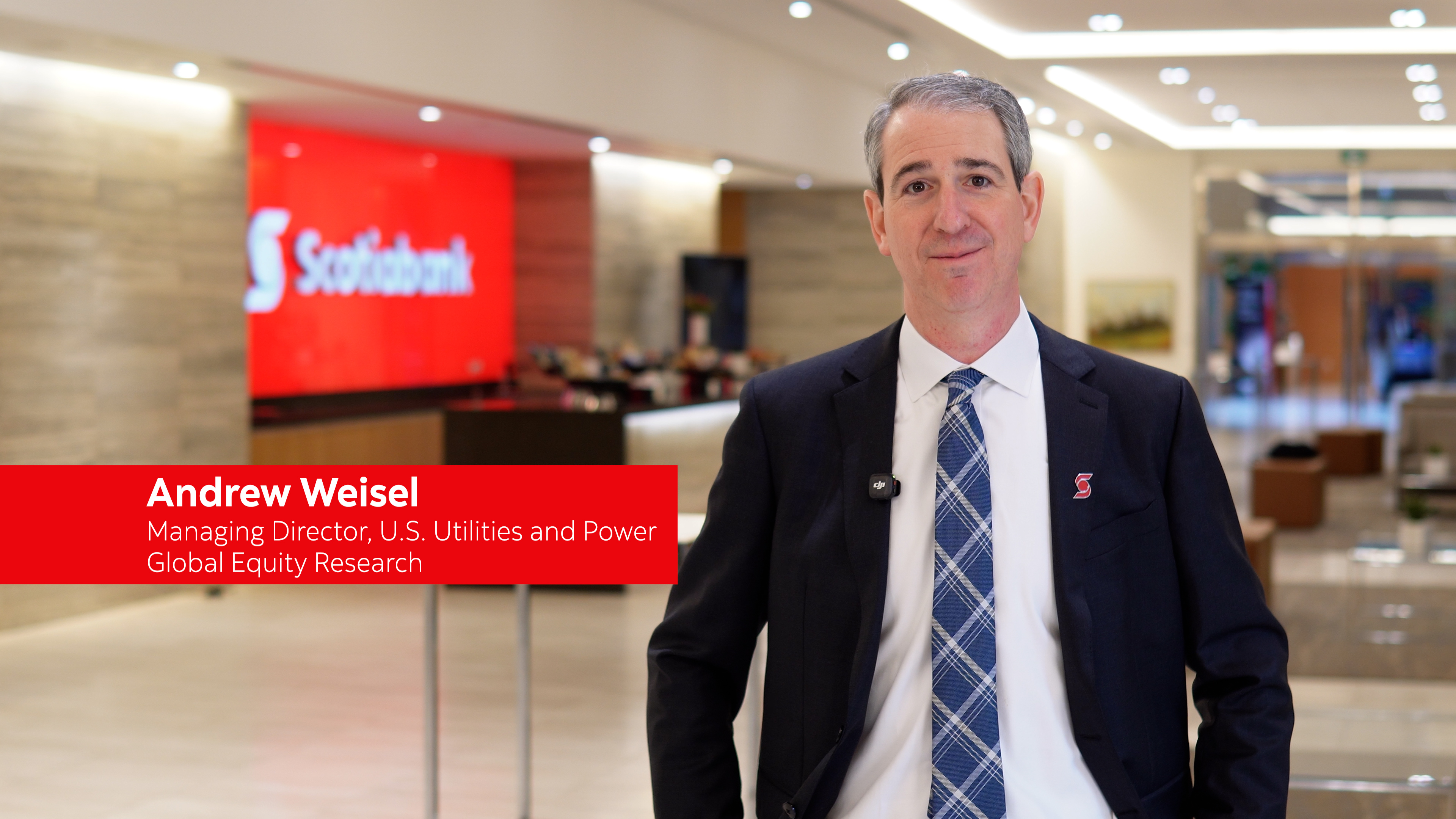
I’m here at our Scotiabank Utilities and Power Conference in Toronto, and as you would imagine, meeting the power demand of AI has been front and centre in the presentations, investor meetings and hallways and lounges at the breaks.
Investors want to know how the industry plan to supply power to these energy hungry data centers. And right alongside this issue is affordability. From a rate payers perspective, this issue is straightforward; will servicing these data centers make electricity more expensive for me?, and it is a legitimate concern.
Investors have been keen to understand if this is ultimately addressed at the industry level, or one that’s addressed on a company-by-company basis. And it’s the latter. Management teams need to navigate the political environment within their distinct service territories, and these environments are nuanced and different for every operator.
From an investor standpoint, how companies navigate their political and regulatory environments, especially in an election year like we are in the U.S. right now, can have a material long-term impact on performance and shareholder value. A bad regulatory decision in a rate case or major investment decision could weigh on earnings for years to come.
But here at the conference, one of the main takeaways from the management teams has been reassurance. Management teams are doing their best to reassure investors that while there is maybe some risk around affordability, at the end of the day it’s an opportunity for growth and an opportunity for a bigger denominator, which ultimately should be deflationary for customers in the long-term.
At the end of the day, from a portfolio perspective, utilities are meant for defensiveness, predictability, and consistency, but right now, it is a dynamic time for the sector as it rises to meet the challenge of AI’s rapid deployment.
And that certainly has been the sentiment here on the ground at the conference.